Training Tips for Families With Kids and Dogs
Dogs and Kids: A Beautiful Bond… with Boundaries
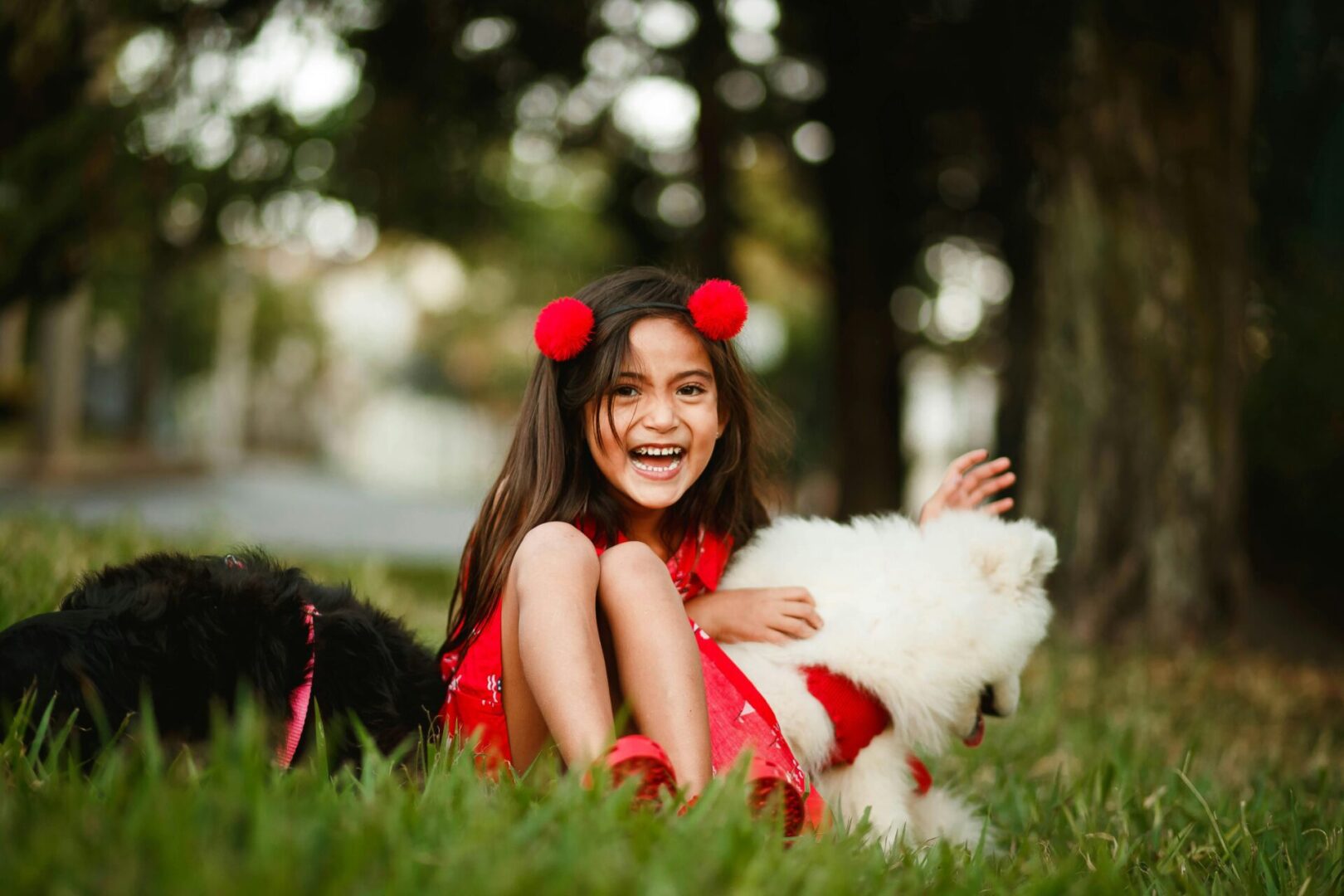
There’s something magical about watching a child grow up with a dog. The bond is pure, the companionship is priceless, and the memories last a lifetime. But let’s be honest. Raising kids and dogs under the same roof isn’t always picture-perfect. Without structure, things can unravel quickly. Jumping, barking, chasing, and even nipping behaviors often show up when excitement or confusion take over.
As professional dog trainers here in Bakersfield, we’ve worked with countless families juggling playtime and discipline. The good news? You don’t have to choose between a well-behaved dog and a happy home. With clear rules, consistent routines, and the right training techniques, your family can enjoy a safe and enriching life with your four-legged best friend.
Why Dog Training Looks Different in a Family Home
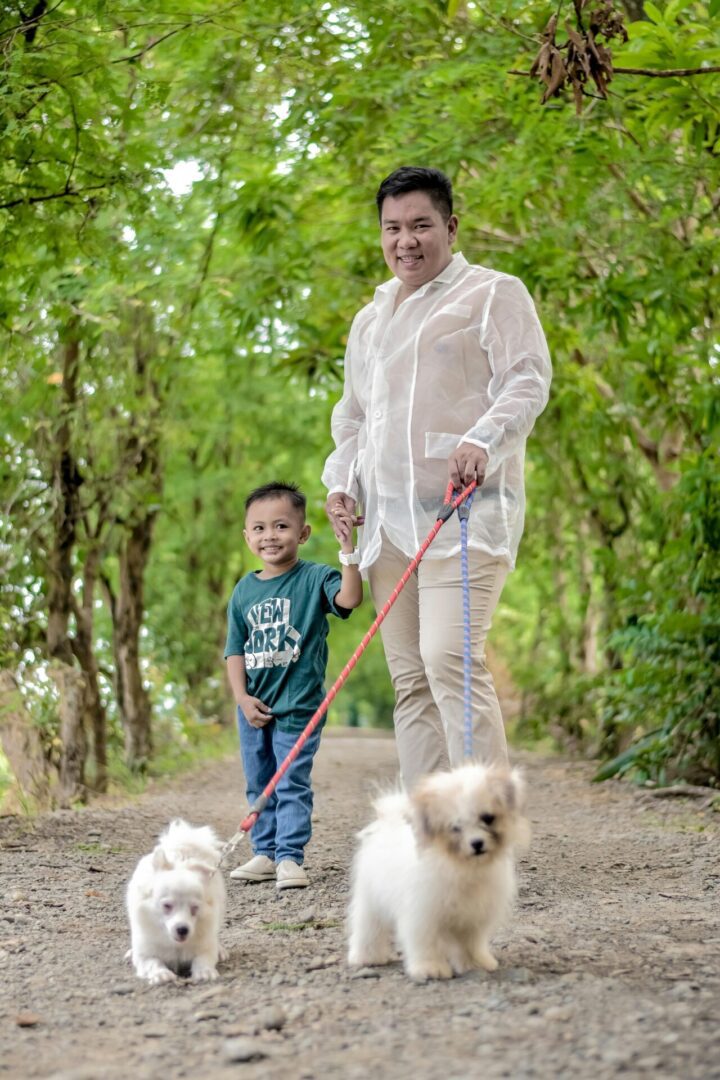
A household with kids comes with more distractions, higher energy levels, and frequent changes in routine. That’s why training your dog in this environment requires a few extra considerations:
- Unpredictable movement: Kids run, jump, and scream, which can excite or overwhelm untrained dogs.
- Shared spaces: Toys, snacks, and blankets often end up in dog-accessible zones.
- Emotional outbursts: Dogs can feed off the energy of crying, tantrums, or loud laughter.
This is why your dog needs strong impulse control, desensitization to noise and motion, and clear boundaries.
5 Essential Training Tips for Kid-and-Dog Households
Let’s get practical. These tips will help set expectations, reduce conflict, and encourage respectful interactions on both ends of the leash.
1. Teach a Reliable Place Command
Designate a mat or bed where your dog can relax and observe the chaos without getting involved. Teaching your dog to “Place” gives them a sense of purpose and a calm space when kids are playing.
Want to learn how to reinforce this command when life gets hectic? Check out our guide on how to teach your dog to ignore distractions for actionable drills you can use indoors or outdoors.
2. Model Behavior for Kids, Too
Just like dogs need training, kids need to learn proper dog etiquette:
- Don’t hug dogs too tightly.
- Don’t bother them while eating or sleeping.
- No pulling ears or tails.
Teach your children to read basic canine body language. Lip licking, yawning, and tail tucking can all be signs of stress. This builds empathy and prevents bites or fear-based reactions.
3. Reward Calm Behavior
Don’t just wait for your dog to misbehave. Reinforce moments of quiet lying down, ignoring toys on the floor, or calmly greeting guests. A well-timed treat or marker word can go a long way in shaping behavior.
4. Use Training Games That Involve the Whole Family
Turn training into fun. Practice recall in the yard, hide-and-seek with treats, or relay-style obedience drills. Not only does this reinforce commands, but it helps kids feel involved in the process.
Need inspiration? Our Basic Obedience Program covers structured training that fits right into everyday family life. It’s designed to improve your dog’s focus, listening skills, and calmness no matter how lively your home may be.
5. Don’t Let the Backyard Become a Free-for-All
Unstructured backyard time often leads to poor habits: digging, jumping, fence fighting, or becoming possessive over toys. Set expectations with short, guided play sessions that end with a cool-down routine like “Place” or “Sit-Stay.”
Set Realistic Expectations (and Celebrate Progress)
Training in a kid-filled household doesn’t mean eliminating every challenge. It’s about managing energy, giving your dog tools to succeed, and teaching your kids to respect their furry sibling. Some days will be messy, and that’s okay.
Keep in mind that dogs don’t generalize behavior across locations automatically. A “Sit” in the living room might not happen in the backyard without practice. That’s why we coach our families through how to apply training consistently across all environments.
Safe Interactions: A Quick Checklist
Here are a few house rules every family should follow:
- Crate or separate your dog when they need downtime.
- Supervise young kids and dogs at all times.
- Use high-value treats to make calm behavior rewarding.
- Establish kid-free zones for your dog to escape to when overwhelmed.
- Reinforce boundaries with clear commands and praise.
For additional guidance on how to prevent overstimulation outdoors, especially during play or backyard fun, this post on fence fighting and overstimulation offers valuable insight into reading your dog’s signals and managing energy spikes.
Backed by Science: Why Family Training Works
According to the American Kennel Club, there are key ways to help children and dogs play safely together. Teaching respectful interaction, creating space when needed, and guiding positive games can reduce stress for your dog and create long-lasting trust and joy for both your child and their canine companion.
Final Thoughts: Structure Builds Harmony
Whether your home is filled with Nerf guns, Play-Doh, or quiet movie nights on the couch, your dog can learn to thrive in that environment. And we’re here to help.
Our training programs are designed to support the entire family, not just the dog. We’ll help you turn mayhem into manners, and play into progress.
Ready to create a calm and respectful home for your kids and your dog? Contact us today to schedule your evaluation and take the first step toward harmony.