How to Prevent Fence Fighting and Overstimulation in the Backyard
Backyards Can Be a Gift — or a Breeding Ground for Bad Habits
It’s tempting to think that a fenced backyard equals a tired, fulfilled dog. But the truth is, many behavior issues actually start in the yard — especially in summer when outside time increases.
From fence fighting with neighbor dogs to obsessive pacing, barking, or guarding, unstructured backyard access can lead to overstimulation, reactivity, and disrespect.
Let’s talk about how to prevent that and make your backyard a training asset, not a problem zone.

What Is Fence Fighting?
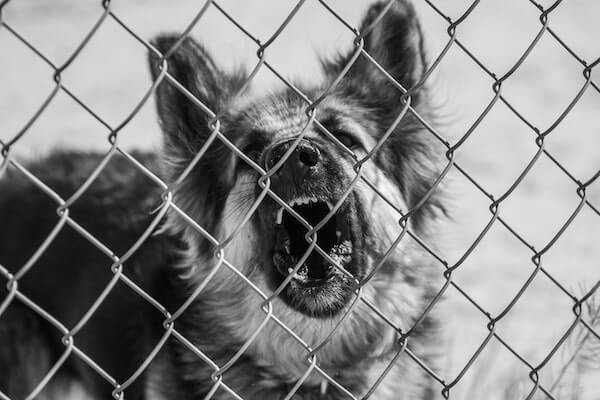
Fence fighting occurs when dogs run, bark, or lunge along the fence line — usually in response to:
- Neighboring dogs
- People walking past
- Lawn equipment or sounds
- Wildlife like squirrels or birds
It often escalates into aggressive vocalization, intense energy, or redirected frustration (sometimes toward humans or other pets).
Why It’s More Than Just “Blowing Off Steam”
Owners often dismiss fence fighting or frantic backyard behavior as normal, but repeated arousal without guidance can lead to:
- Increased reactivity on leash
- Poor impulse control
- Barking at every sound
- Frustration-based aggression
- A dog who tunes out commands outside
A tired dog isn’t always a trained dog — especially if the yard is self-rewarding chaos.
Step 1: Limit Free Backyard Access
Don’t let your dog roam the yard unsupervised all day. Instead:
- Use the yard with your dog
- Supervise play and bathroom breaks
- Interrupt and redirect intense behavior
- End backyard time if overstimulation escalates
Structure first, freedom later.
Step 2: Use Obedience in the Yard
The backyard is a perfect place to practice:
- Recall (“come”) from various distances
- Thresholds at the door
- “Place” or “down” on a mat or raised bed
- “Out” or “leave it” from distractions
- Structured fetch, tug, or play with clear rules
Treat it like an outdoor training room — not just a playground.
Step 3: Interrupt Fence Fighting Early
If your dog rushes the fence:
- Calmly recall them away
- Use a leash and guide them to a structured position
- Practice “place” after high-energy moments
- Correct if necessary (firm verbal marker or leash correction)
Don’t wait for things to escalate — interrupt the energy shift right away.
Step 4: Reinforce Calm Behavior in the Yard
Reward calm choices such as:
- Sitting quietly while watching
- Choosing not to bark
- Staying on “place” despite movement
- Following you on a slow, structured walk through the yard
Let your dog earn longer backyard time by showing emotional control.
Step 5: Add Privacy or Visual Barriers
If your dog’s arousal is triggered by constant visual stimulation:
- Use privacy panels on the fence
- Add landscaping like bushes or hedges
- Block high-stimulation zones with gates or temporary screens
Out of sight, out of overstimulation.
Final Thoughts: Backyards Should Reinforce Training, Not Undo It
A yard can be a great outlet — or it can undo everything you’re working on. The difference is structure.
Use the backyard as a space to rehearse calmness, practice obedience, and reinforce leadership. When your dog learns to behave out there, it carries over into every other area of life.