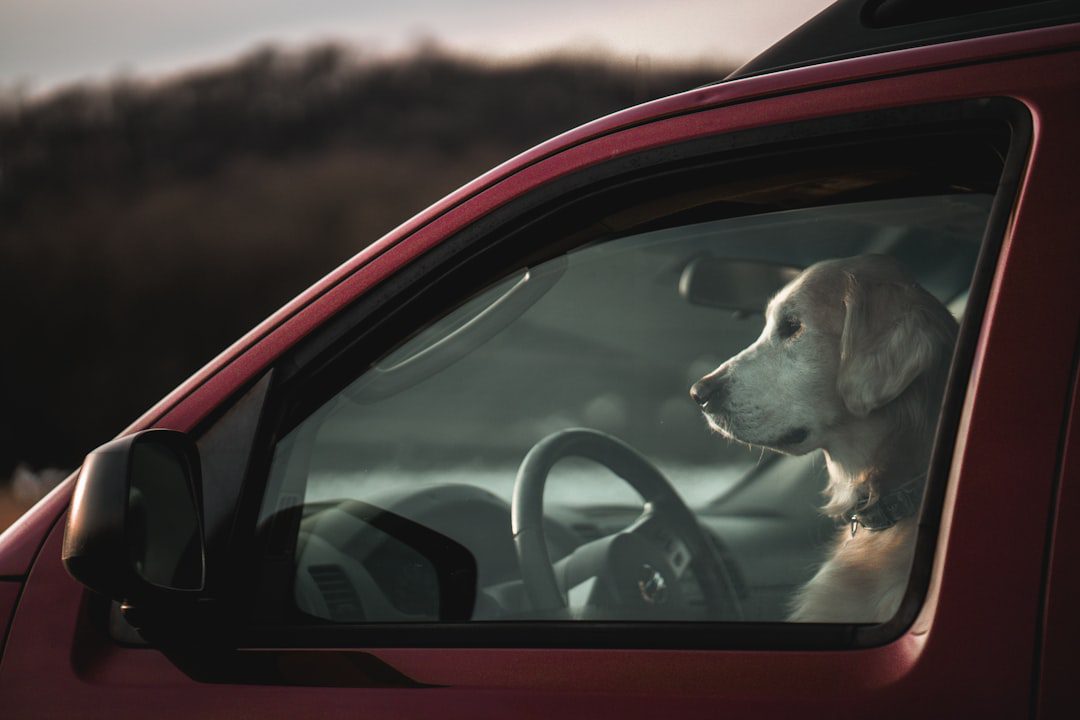
Prevent Dog Motion Sickness: Essential Training Tips for Peaceful Car Rides
Does your furry friend turn car rides into stressful adventures? Dog motion sickness affects up to 48% of dogs, making what should be enjoyable journeys into challenging experiences for both pets and their owners. The good news? Dog motion sickness is both preventable and manageable through proper training and environmental adjustments. Whether you’re dealing with a puppy who hasn’t developed their sea legs yet, or an adult dog with travel anxiety, we’ve got you covered. In this comprehensive guide, we’ll explore proven strategies to help your dog overcome motion sickness and car anxiety. From understanding the root causes to implementing effective desensitization techniques, you’ll discover practical steps to transform those nerve-wracking car rides into peaceful journeys. Ready to help your four-legged companion become a happy traveler? Let’s dive into essential training tips that will make car rides something you both look forward to.

Understanding Dog Motion Sickness
Physical Causes and Age Factors
Motion sickness in dogs is more than just a simple upset stomach during car rides. It’s a complex medical condition that stems from the inner ear’s vestibular system, which helps maintain balance and spatial orientation. When this system receives conflicting signals from the eyes and inner ear during movement, it can trigger feelings of nausea and discomfort.
Young puppies are particularly susceptible to dog motion sickness because their inner ear structures aren’t fully developed. The vestibular system, responsible for balance and coordination, is still maturing until they reach about 6 months of age. This explains why many puppies experience car sickness while adult dogs seem more resilient.
The physical response typically involves a combination of factors. When the inner ear detects motion that doesn’t match what the eyes are seeing, it creates confusion in the brain. This mismatch of sensory information often results in symptoms like drooling, whining, or vomiting. Some dogs may also experience increased heart rate and excessive panting.
Age plays a crucial role in how dogs experience and adapt to motion. While puppies commonly outgrow their sensitivity as their vestibular system develops, some adult dogs may continue to struggle with this condition. This persistence can be due to early negative experiences creating lasting associations with car travel.
Understanding these physical causes helps pet owners recognize that motion sickness isn’t just a behavioral issue but a genuine physiological response. This knowledge is essential for developing effective management strategies and knowing when to seek veterinary assistance.
Recognizing Signs of Car Sickness in Dogs
Physical Symptoms
When your dog experiences car sickness, several physical signs become apparent during travel. The most common indicator is excessive drooling or hypersalivation, which often precedes a full-blown throw-up episode. You might notice your furry friend swallowing more frequently or licking their lips repeatedly.
Vomiting is perhaps the most obvious sign of travel sickness, ranging from mild regurgitation to severe episodes. Some dogs might also experience rapid breathing, panting excessively, or showing signs of nausea like lip-smacking and frequent swallowing.
Behavioral Indicators
Dogs suffering from car sickness often display distinct behavioral changes that signal their discomfort. They might become restless, unable to settle in one position, or pace anxiously around the car. This restlessness is typically a clear cause of her stress during car rides.
Watch for signs of anxiety such as whining, trembling, or excessive yawning. Some dogs may try to hide or resist getting into the car, having associated the vehicle with their discomfort. Others might become unusually quiet or withdraw, showing clear signs of distress.
Many dogs will also exhibit physical tension, with stiff body posture and lowered head position. These behavioral changes often begin even before the car starts moving, as they anticipate the upcoming journey.

Creating a Comfortable Travel Environment
A comfortable travel environment plays a crucial role in preventing motion sickness in your furry friend. By making thoughtful adjustments to your car’s interior, you can significantly reduce your dog’s discomfort during rides.
Safety Considerations
Creating a secure space for your dog starts with managing the car’s environment. Keep the car cool by using air conditioning or opening windows slightly to maintain proper air pressure. This helps prevent your dog from feeling overwhelmed in a confined space.
Position your dog strategically in the vehicle. While the front passenger seat might seem appealing, it’s safer to secure them in the back seat using a properly fitted harness or carrier. If you have leather seats, consider placing a non-slip mat to provide better grip and comfort.
Here are essential tips to enhance your dog’s travel comfort:
– Install window shades to reduce direct sunlight
– Use a well-ventilated carrier or crate
– Place familiar blankets or toys to create a sense of security
– Keep the temperature between 68-72°F
– Ensure proper ventilation throughout the journey
Remember to make frequent stops during long trips, allowing your dog to stretch and relieve themselves. This helps prevent both physical discomfort and anxiety-induced motion sickness.
For maximum effectiveness, prepare the travel space before your journey begins. Remove any loose items that could become projectiles during sudden stops, and ensure all safety equipment is properly installed and functioning.
Desensitization Training Techniques
Building Positive Associations
Desensitization training is often the best approach to help your furry friend overcome motion sickness during car rides. This gradual process helps your dog build confidence and positive associations with traveling.
Start by letting your dog explore the stationary car. Allow them to sniff around, get comfortable, and receive treats for calm behavior. This creates a foundation where your dog sees the vehicle as a safe space rather than a source of stress.
Next, progress to sitting in the car with the engine off. Make this experience enjoyable by offering high-value treats, favorite toys, or gentle praise. Keep these sessions brief, around 5-10 minutes, to avoid overwhelming your dog’s need for adjustment.
Once your dog shows comfort, turn on the engine while remaining parked. This helps them acclimate to the vibrations and sounds. Continue providing positive reinforcement during this phase.
Graduate to extremely short trips – just backing out of the driveway and returning. The right approach is to increase duration gradually. Progress to driving around the block, then extend to 5-minute journeys, and so on.
Throughout the training:
– Keep sessions positive and brief
– Never force your dog into the car
– Use consistent rewards
– Watch for signs of stress
– Take breaks between sessions
Remember that each car ride should end with something enjoyable, like visiting a park or meeting a friend. This reinforces that car travel leads to positive experiences.
If your dog shows signs of anxiety, take a step back in the training process. It’s better to progress slowly than to rush and create negative associations that could set back your training efforts.

Natural Remedies and Solutions
Hydration and Comfort Tips
Keeping your dog well-hydrated and comfortable during car rides is essential for preventing motion sickness. Offer small amounts of water before the journey, but avoid overhydrating. A natural remedy like pet releaf can help calm your furry friend’s nerves without causing drowsiness.
Create a cozy space in the car using their favorite blanket or bed. Position it where they can see outside, as this helps their brain sync visual cues with motion. Products with the NASC quality seal are reliable choices for managing travel anxiety naturally.
Consider using pet releaf’s hemp extract about 30 minutes before travel. This natural solution can help ease anxiety and reduce nausea symptoms. Remember to start with a small dose and observe your dog’s response.
Some dogs find comfort in having familiar scents around them during car rides. Place their favorite toy or a piece of clothing with your scent in their designated space. This creates a sense of security and helps them associate car rides with positive experiences.
Maintain good airflow in the vehicle to prevent overheating and stuffiness, which can worsen motion sickness. Keep the temperature cool and crack open a window slightly to ensure fresh air circulation.
Medical Interventions
When your furry friend struggles with motion sickness during car rides, medical interventions can provide much-needed relief. Let’s explore when and how professional help can make a difference in managing your dog’s travel anxiety.
When to Consult a Veterinarian
If your dog consistently shows severe signs of motion sickness despite trying behavioral modifications and natural remedies, it’s time to seek professional help. A veterinarian can properly evaluate your pet’s condition and recommend appropriate medical solutions.
Your vet might suggest starting with non-prescription medication to address mild symptoms. These over-the-counter options can help reduce nausea and anxiety during shorter trips. However, for more severe cases, veterinary-specific prescription medication may be necessary.
Anti-anxiety medication can be particularly helpful when your dog’s motion sickness is primarily triggered by stress and nervousness about car travel. These medications work by calming your pet’s nerves without causing excessive drowsiness.
For long-distance travel or dogs with persistent symptoms, your vet might prescribe specialized dog motion sickness medication. These medications are specifically formulated to address both the physical and psychological aspects of travel-related distress.
Remember that medication should never be your first solution. Start with training and environmental modifications, then gradually move to medical interventions if necessary. Always follow your veterinarian’s dosing instructions carefully and monitor your dog’s response to any new medication.
It’s crucial to inform your vet about any other medications your dog is taking to avoid potential interactions. Also, discuss any underlying health conditions that might affect the choice of motion sickness treatment.
Progressive Training Plan
Start with short, positive car rides of your dog lasting just a few minutes. This helps build confidence gradually without overwhelming your furry friend. Keep the initial trips brief and pleasant, perhaps driving around the block or to a nearby park they enjoy.
Monitoring Progress
Track your dog’s comfort level during each car trip to gauge improvement. Watch for signs of distress like excessive drooling, whining, or restlessness. As an additional tip, maintain a simple log noting the duration of rides and your pet’s reactions.
When dogs stem from a place of confidence, they’re more likely to overcome their motion sickness. Celebrate small victories – if your pet shows less anxiety or manages a longer journey without symptoms, reward them with treats and praise.
Gradually increase ride duration as your dog shows improvement. If you notice any setbacks, don’t hesitate to return to shorter trips temporarily. Remember that every dog progresses at their own pace, and consistency is key to successful training.
Unlock your dog’s full potential with Off Leash K9 Training Bakersfield, you can enjoy the freedom, confidence, and peace of mind that comes with having a well-trained dog. We offer private, personalized training that targets your dog’s specific challenges and helps you build a foundation of trust and respect.
We don’t believe in “one-size-fits-all”—we tailor every lesson to your dog’s needs and your goals. Let’s work together to create a better life for you and your dog. Call (661) 655-8787 now to learn more.